Loading...
Serving Concord, CA and surrounding areas. (925) 536-0971
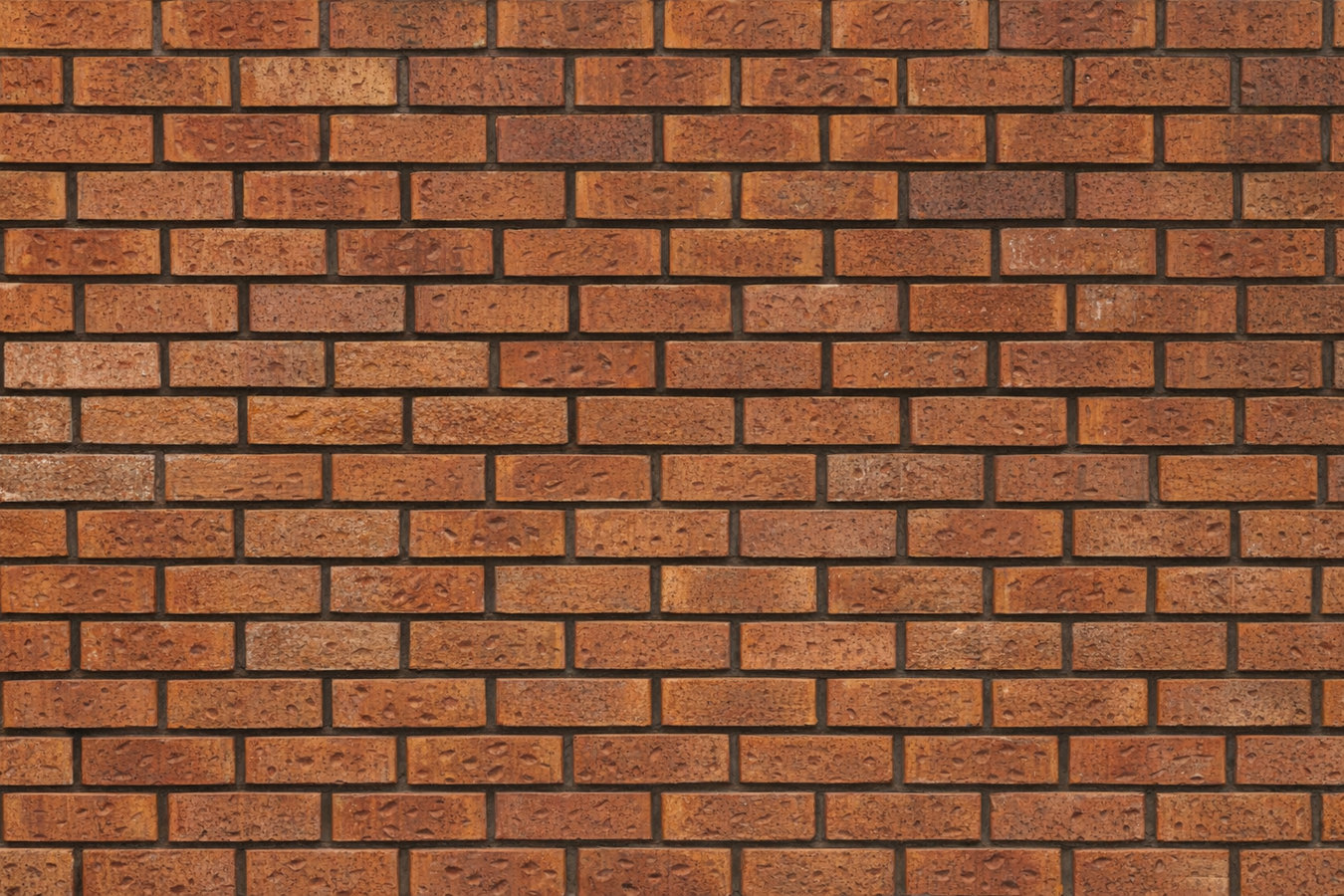
Failing mortar is invisible until water damage makes it obvious. We remove the worn-out joints, pack in fresh matched mortar, and give your brick another 20 years of protection.
Tuckpointing in Concord removes old, crumbling mortar from the joints between your bricks or stones and replaces it with fresh material - most jobs take one to four days depending on the surface area and how accessible it is.
Mortar is the material between your bricks, and it is softer than the brick by design - it absorbs moisture and stress so the bricks themselves stay intact. When it fails, water moves through the wall. In Concord, where winter rain runs hard from November through March, failed mortar on a chimney or exterior wall is one of the most common sources of interior water damage in older homes. We also handle related work like brick repair when mortar failure has already reached the bricks.
Many Concord homes were built in the 1950s through 1970s, putting their original mortar at 50 to 70 years old. That is beyond the typical lifespan for mortar under Concord conditions. Catching it before bricks start to spall keeps the repair straightforward and the cost manageable.
Walk up close to your chimney or brick wall and press your finger against the joints. If mortar crumbles away easily or is already missing in spots, it is no longer keeping water out. You should not be able to scrape mortar loose with a fingernail - if you can, the joint has failed.
Chalky white residue on brick after Concord's rainy season - called efflorescence - is a sign that water has been moving through the wall. It is not dangerous on its own, but it tells you moisture is already finding a path through the joints. Left unchecked, it leads to deeper damage inside the wall.
Concord sits near an active fault. Even moderate shaking can open hairline cracks in mortar that were not there before. After any earthquake you actually feel, it is worth inspecting your chimney and exterior brick walls closely. Small cracks let water in, and water in mortar joints is how small problems turn into large ones.
When mortar fails and water gets behind the brick, the face of the brick can start to flake off in thin layers - a process called spalling. If you see chips on the ground near a wall or bricks that look pitted compared to how they used to look, tuckpointing is overdue. Waiting longer may mean brick replacement instead of mortar replacement.
We handle tuckpointing on chimneys, exterior brick walls, retaining walls, garden walls, and decorative brick features. The process always starts with cutting or chiseling out the old mortar to the right depth - roughly half an inch to three-quarters of an inch - so the fresh material bonds correctly. Rushing that prep step is how poor tuckpointing ends up failing within a season. When a job also involves damaged bricks, we coordinate brick repair in the same visit so the wall is addressed completely.
Color matching is a consistent priority on every job. We test mortar samples against your existing brick before mixing the full batch, because mismatched mortar is one of the most common complaints homeowners have after tuckpointing. We also handle work that connects to brick pointing, where the joint profile and finish is as important as the underlying seal. Mortar type - the hardness relative to the existing brick - is selected carefully to avoid creating a harder joint that would damage surrounding bricks over time.
Best for chimneys showing crumbling joints, water staining inside, or mortar that has cracked after seismic activity.
For homes where the mortar between exterior bricks has softened or is missing in sections, especially on north-facing walls.
Suitable for brick garden walls, retaining walls, and planter borders where joints have opened due to soil movement or age.
Ideal when the wall is structurally sound but mortar color has faded or previous repairs left a visible mismatch.
For Concord homeowners who want their brick assessed after notable seismic activity near the Concord fault.
When joint failure has progressed to the point that some bricks are cracked or spalling and need replacement alongside the mortar work.
Concord gets most of its rain between November and March, with long dry summers that push well past 90 degrees. That wet-dry cycle is hard on mortar joints - they absorb moisture in winter, dry out and contract in summer, and repeat year after year. For homeowners, this means mortar on a Concord chimney or exterior wall tends to degrade faster than in more temperate parts of the state. A large share of the city was built between the 1950s and 1970s, which puts much of the original mortar well past its useful life. Concord also sits near an active fault, and seismic stress is one of the less obvious reasons mortar fails faster here - even small tremors create micro-cracks that open over time.
We work across the city and surrounding communities. Homeowners in Walnut Creek and Pleasant Hill face the same wet-dry cycle and mid-century housing stock, so tuckpointing demand in those areas is just as consistent. If your HOA requires approval before visible exterior work begins - which is common in some Concord neighborhoods - we can work around that timeline once you have the green light.
We respond within 1 business day. You will answer a few basic questions about the masonry - what type of surface, roughly where the problem is, whether you have noticed water damage inside. No cost or commitment for reaching out.
We come look at the wall or chimney in person - tuckpointing is one of those jobs where a photo rarely tells the full story. The visit takes 30 to 60 minutes and ends with a written estimate before any work begins.
The crew grinds or chisels out the old mortar to the correct depth. This is the noisiest part of the job. Drop cloths go down to catch debris. You do not need to be home, but we confirm access and timing the day before.
New mortar is packed in carefully by hand and tooled to match the original joint profile. When done, we walk you through the finished area so you can see the work and ask questions. Fresh mortar needs 24 to 48 hours before it should get wet.
Free on-site estimate. No obligation. We respond within 1 business day.
(925) 536-0971We test mortar color samples against your existing brick before mixing the full batch. Mortar also shifts slightly as it cures, and we account for that. Mismatched color is the most common complaint homeowners have after tuckpointing - we make it a non-issue from the start.
We work regularly in Concord and understand how seismic activity and expansive clay soil affect mortar over time. That context shapes which mortar type we recommend and how we assess damage - not a one-size approach applied regardless of local conditions.
CDM Concord Masonry covers all 12 service areas across Contra Costa and the East Bay, from Martinez to Pleasanton. That regional reach means we have seen the same housing stock and climate conditions your home faces, across dozens of similar projects.
California requires any contractor doing masonry work over $500 to hold a state license. You can verify any license on the CSLB website in about 30 seconds. We also carry active insurance that protects your property during the job.
Those four things together - color matching, local conditions knowledge, regional experience, and verified licensing - are what separate a tuckpointing job that holds for 20 years from one that starts failing after the first wet season.
When mortar failure has gone far enough to damage the bricks themselves, we replace cracked and spalled bricks and restore the full wall surface.
Learn morePrecision mortar joint finishing for chimneys, walls, and decorative brickwork where a clean, uniform joint profile matters as much as the repair itself.
Learn moreMortar repairs need dry weather to cure properly - book now and your brick will be sealed and protected before November.