Loading...
Serving Concord, CA and surrounding areas. (925) 536-0971
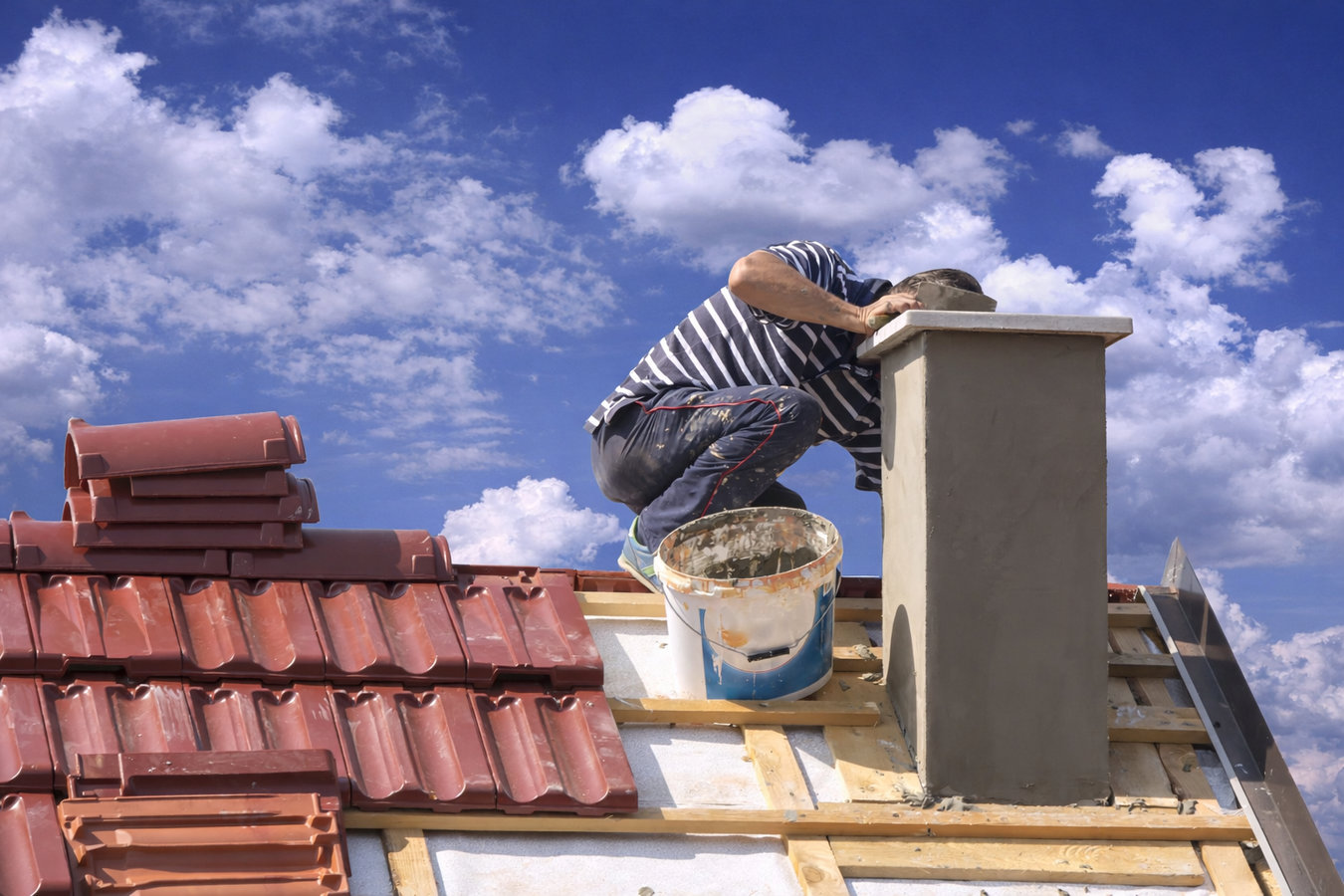
Crumbling mortar, water stains near the fireplace, or smoke backing into the room are signs your chimney needs attention. We assess the whole system and fix what is actually wrong - before the wet season turns a small crack into a major repair.
Chimney repair in Concord covers mortar repointing, liner replacement, cap installation, flashing resealing, and firebox rebuilds - most jobs take one to three days depending on the scope and whether structural work requires a permit.
A chimney is a system, not just a stack of bricks. The flue liner, damper, cap, flashing, and firebox all work together - and when any one part fails, the whole system can become unsafe or stop functioning. Many Concord homes were built in the 1950s through 1980s and have clay tile liners that are now 40 to 70 years old. Those liners can crack and separate, which allows combustion gases to escape into your living space. We often see these issues alongside the kind of mortar deterioration that also calls for tuckpointing work on the exterior masonry.
Concord's Mediterranean climate - hot dry summers followed by wet winters - accelerates mortar cracking by cycling the masonry through expansion and contraction every year. Getting an inspection before the rainy season is one of the most practical things a Concord homeowner with a fireplace can do.
White staining on brick - called efflorescence - happens when water moves through the masonry and carries dissolved salts to the surface. In Concord, where winter rains soak into aging brick chimneys, this is a common early sign that water is getting in where it should not. It will get worse without attention.
If you can see gaps between bricks, mortar that looks sandy or falls out in chunks, or bricks that shift when pressed, the chimney needs repair. This deterioration is especially common in Concord homes from the 1950s and 1960s, where original mortar has been through decades of wet winters and dry summers.
If you light a fire and smoke comes into the living room instead of going up the chimney, something is blocking or restricting airflow. It could be a stuck damper, a bird nest in the flue, or a structural issue. Either way, stop using the fireplace and have it inspected before the next fire.
Water stains on the ceiling or walls near the fireplace - especially ones that appear or worsen after rain - often point to failed flashing or a damaged cap. Concord's rainy season runs from November through March, so new staining after the first big storms usually means the chimney is the culprit.
We handle the full range of chimney repair work for Concord homeowners. Mortar repointing - or tuckpointing - is one of the most common jobs: we grind out deteriorated mortar joints and pack in fresh material, restoring the seal that keeps water out. For chimneys where the liner has cracked or separated, we reline using metal or a poured-in-place material suited to the existing flue size.
Flashing repair is another frequent need - the metal seal where your chimney meets the roof pulls away over time and is often the real source of ceiling water stains that get blamed on the roof. We also install or replace chimney caps, rebuild fireboxes, and handle structural rebuilds at the crown for chimneys that have shifted or deteriorated significantly. When a chimney is beyond repair, we can discuss a full fireplace installation as an alternative.
For chimneys with crumbling or missing mortar joints that allow water to penetrate the masonry.
For homes where the clay tile liner has cracked or separated, creating a safety hazard for combustion gases.
For chimneys missing a cap or with a damaged one - caps block rain, animals, and debris from entering the flue.
For homes where the metal seal at the roof line has pulled away, allowing water into the attic or ceiling.
For fireboxes with cracked firebricks or damaged refractory mortar that poses a fire or heat-transfer risk.
For Concord homeowners who want a chimney assessment after seismic activity near the local fault lines.
Concord's wet-dry climate is the main factor. Hot, dry summers bake the mortar and masonry, causing small cracks to open. Then November arrives with heavy rain that drives into those cracks, freezes on cold nights, expands, and widens them further. Repeat that for 40 or 50 years - which is exactly how long many Concord chimneys have been standing - and you end up with significant deterioration that was never addressed because it developed slowly and stayed out of sight.
The seismic risk near the Concord Fault adds another layer. We regularly inspect chimneys in nearby Walnut Creek and Pleasant Hill where the same conditions apply. Even moderate earthquakes can shift the connection between the chimney and the roof framing in ways that are not visible from the ground. For Bay Area Air Quality Management District Spare the Air rules that affect when you can use your fireplace, see the Spare the Air website.
We respond within 1 business day. We will ask a few basic questions - how old is the home, when did you last use the fireplace, what are you seeing. This helps us show up prepared. Demand picks up in October, so scheduling earlier means faster availability.
We examine the chimney exterior, cap, mortar joints, and flashing, and then inspect the firebox, damper, and liner from inside. We walk you through what we found in plain terms - what needs repair, what can wait, and why.
You receive a written estimate before any work starts. If the repair involves structural masonry, we discuss whether a Contra Costa County permit applies and handle it on your behalf. Factor permit review time into your scheduling.
Most jobs take one to three days. New mortar needs 24 to 48 hours to cure before you light a fire. We walk you through the completed work, explain what to watch for in the first season, and leave you knowing when it is safe to use the fireplace again.
We respond within 1 business day - no obligation. After you submit, someone from our office calls to schedule a free on-site inspection where we show you exactly what we found and explain your options without pressure.
(925) 536-0971The best window for chimney work is late summer through fall - mortar cures better in warm weather and you beat the November demand rush. We are familiar with this scheduling pattern and build it into our availability every year.
You can verify our California contractor license on the Contractors State License Board website. For chimney-specific work, we follow Chimney Safety Institute of America inspection standards and the NFPA 211 safety framework.
When structural chimney repairs require a Contra Costa County permit, we manage the application and inspection process. Permitted work is documented - which protects you and matters to buyers when you sell the home.
We check for earthquake-related damage on every chimney inspection in the Concord area. Older brick chimneys near the Concord Fault line can develop hidden structural issues from repeated small seismic events - we look for those specifically.
Concord chimneys face a specific combination of aging masonry, Mediterranean climate stress, and seismic risk - all three at once. A contractor who understands all three is better positioned to tell you what actually needs repair and what can wait. The Chimney Safety Institute of America publishes homeowner resources on chimney inspection and safety standards worth reviewing before any repair project.
When mortar joints across a larger masonry surface need grinding out and replacement, tuckpointing restores the seal and extends the life of the structure.
Learn moreIf your existing fireplace and chimney need a full replacement rather than repair, we install new masonry fireplaces built to current California code.
Learn moreConcord's rainy season starts in November - book your inspection now and we will have your chimney sealed and safe before the first storm arrives.