Loading...
Serving Concord, CA and surrounding areas. (925) 536-0971
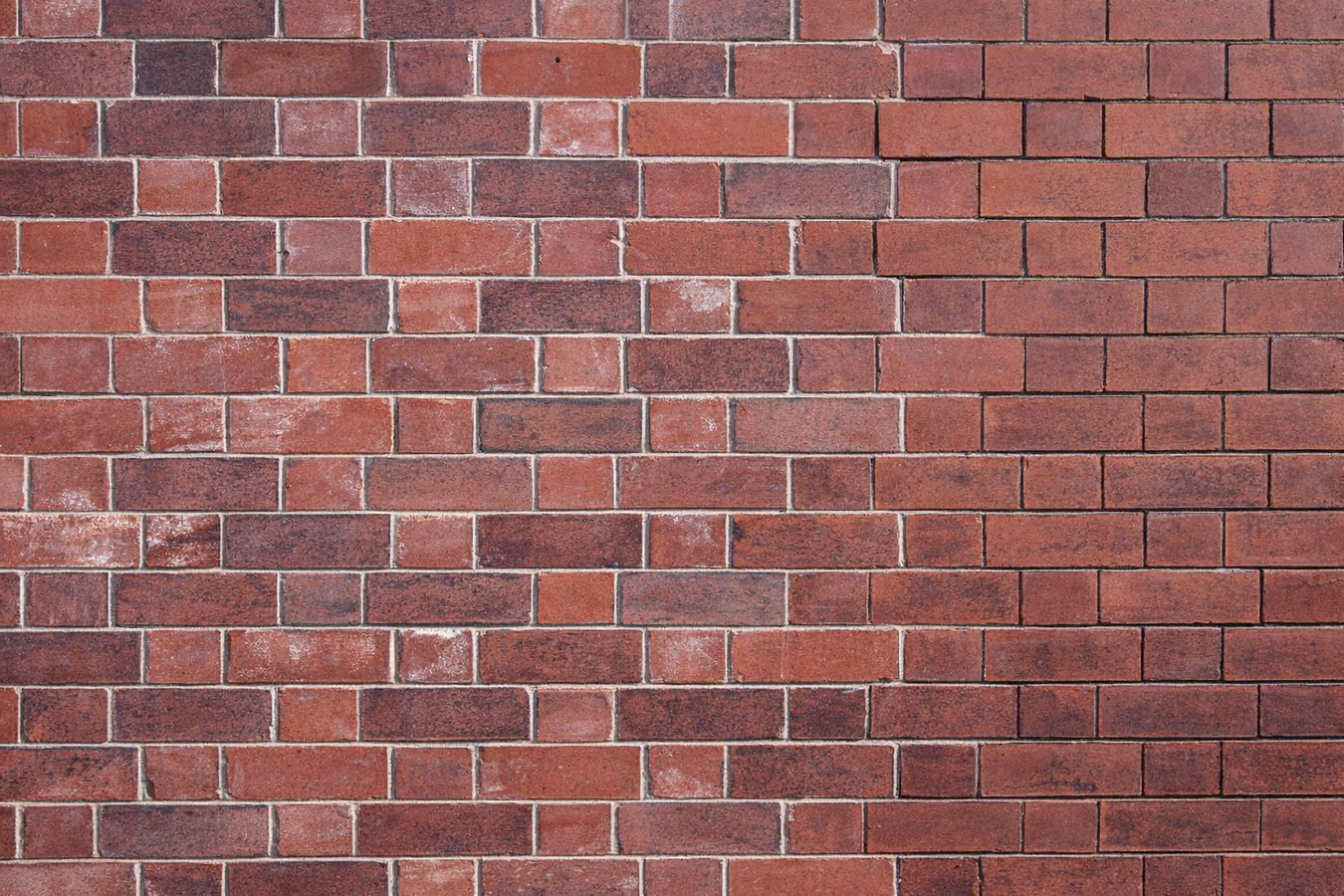
Crumbling mortar, white staining, and cracked brick are signs your masonry needs attention now - before the next rainy season turns a small repair into a big one.
Masonry restoration in Concord repairs, cleans, and stabilizes brick, stone, and concrete block surfaces that have started to deteriorate - most jobs take one to three days, though larger chimney or retaining wall projects can run a week or more.
If your chimney, exterior wall, or retaining wall has mortar that crumbles when you touch it, white salt staining after the rains, or visible cracks, the structure is letting water in. Masonry restoration finds those entry points and seals them before the damage compounds. In Concord, the wet-dry cycle from November through March is the main driver of deterioration - the mortar absorbs moisture in winter, then contracts as summer heat arrives, and that repeated movement breaks it down over years. We also connect homeowners dealing with crumbling joints to our fireplace installation service when the firebox itself needs attention alongside the chimney work.
The most important thing to understand is that most masonry problems do not require full replacement. A skilled restoration contractor can stabilize, repoint, and patch structures that look far gone - saving you significant cost compared to a rebuild.
Run your finger along the joints between bricks or stones on your chimney, exterior wall, or retaining wall. If the material crumbles away easily, comes out in chunks, or is visibly recessed more than a quarter inch, the mortar has reached the end of its life. This is the most common sign restoration work is needed, and it is one of the easiest to spot yourself.
A chalky white residue on the face of your masonry is called efflorescence, and it signals that water is moving through the wall and carrying dissolved salts to the surface. In Concord, this often appears after the winter rainy season on north-facing walls or walls shaded by trees. It is not dangerous on its own, but it tells you water is getting in somewhere - and that entry point needs to be sealed.
Straight vertical cracks can be normal settling, but diagonal cracks - especially ones running at roughly 45-degree angles near corners or door openings - often indicate the ground beneath the structure has shifted. Concord's clay-heavy soils expand in winter and contract in summer, and that movement is a common cause of this pattern. Have a contractor assess them before the next rainy season.
Spalling is when the face of a brick breaks off in thin layers, leaving a rough, pitted surface. It happens when water gets inside the brick and then heats up or cycles with temperature changes repeatedly. Concord's combination of wet winters and hot summers accelerates this on older chimneys. Spalling bricks are structurally weaker than intact ones and should be evaluated before the damage spreads.
We cover the full scope of residential masonry restoration work. The most common job is repointing - chiseling out deteriorated mortar and replacing it with new material matched to the color and strength of the existing joints. Before we replace a single joint, we clean the surface to see the full extent of the damage and ensure the new mortar bonds properly. When cracks run deeper than the mortar joints, we use crack stitching and epoxy injection to stabilize the underlying structure. For Concord homeowners interested in stone masonry work alongside their restoration project, we can handle both in the same scope.
We also handle protective sealing once repairs are complete - a critical step in Concord's climate where moisture intrusion during the rainy season is the primary driver of ongoing damage. For chimneys with significant deterioration, including spalling bricks and crumbling crowns, we carry out full chimney restoration alongside Brick Industry Association best practices for material selection and joint profiling. Every project includes an honest assessment of what needs to be repaired versus what can wait.
Suited for any brick, stone, or block structure where the joints have deteriorated - chimneys, exterior walls, garden walls, and retaining walls.
Best for masonry surfaces showing white staining after the rainy season, where the moisture source also needs to be addressed.
Used when cracks in brick or block walls run deeper than the mortar joints and the underlying structure needs stabilization.
For chimneys and walls where individual bricks have broken down and need to be replaced with matching material.
For masonry that has accumulated years of biological growth, staining, or atmospheric deposits before restoration work begins.
For older Concord chimneys needing comprehensive work - cleaning, repointing, crown repair, cap installation, and sealing in one project.
Concord sits in the inland East Bay with a Mediterranean climate - concentrated winter rainfall from November through March, then months of dry heat that regularly pushes past 90 degrees. That cycle is hard on mortar. The joints absorb moisture in winter, then dry and contract in summer heat, and that repeated movement gradually breaks them down. Homes built in Concord between the 1940s and 1970s - a large part of the local housing stock - have original mortar that in many cases has never been replaced. If yours is in that age range, there is a real chance the joints are overdue for attention.
The Concord-Green Valley Fault adds another factor: seismic activity puts stress on masonry structures that already weakened mortar cannot absorb. Diagonal cracks in brick walls, especially near the corners of windows and doors, are often a combined result of soil movement and age. We regularly serve homeowners in Walnut Creek and Pleasant Hill where the same climate conditions and housing stock make masonry restoration a recurring need. Catching these problems before the next rainy season is almost always less expensive than addressing them after water has worked its way deeper into the structure.
We respond within 1 business day. Tell us what you are seeing - crumbling joints, white staining, cracks - and we schedule a free on-site assessment. Phone quotes for masonry work are rarely accurate, so a site visit always comes first.
We walk the structure with you, point out what we are finding, and give you a plain-language explanation of what needs to be done now versus what can wait. The visit typically takes 30 to 60 minutes and is free.
You receive a written estimate that breaks down the scope and cost before any work begins. Once you agree, we confirm the start date and let you know if anything needs to be cleared from the work area. Most residential jobs are scheduled within a few weeks.
The crew works outside - most jobs take one to three days with minimal disruption to your home. When done, the site is cleaned and we walk through the completed work with you. Fresh mortar needs 24 to 48 hours before it gets wet, and your contractor will confirm the curing window.
Free on-site estimate. Written quote before any work begins. No obligation.
(925) 536-0971Mismatched mortar is the most visible sign of a rushed restoration job - bright white patches that stand out against original brick. We test color samples against your existing material before mixing the full batch, and we account for the slight color shift that happens as mortar cures. The finished result should look like it belongs there, not like a repair.
Working regularly in Concord means we understand how the clay soil movement and proximity to the Concord-Green Valley Fault affect masonry over time. That context changes how we assess diagonal cracks and which mortar type we recommend - it is not a one-size approach applied regardless of local conditions.
CDM Concord Masonry serves 12 service areas across Contra Costa and the East Bay. That regional reach means we have worked on the same housing stock and dealt with the same climate conditions your home faces, across dozens of similar restoration projects in the area.
California requires masonry contractors to hold a valid state license - the C-29 classification - and you can check any contractor's standing in seconds on the CSLB website. We also carry active liability insurance and workers' compensation that protect your property during every job.
Matching mortar, understanding local conditions, regional experience, and verified licensing are the four things that separate masonry restoration work that holds for decades from work that starts failing after the first wet season. Call us and see the difference for yourself.
Add a new masonry fireplace or rebuild an existing one - built to Concord's permit and seismic standards from the ground up.
Learn moreCustom stone masonry work for walls, steps, and architectural features that complement your restored masonry.
Learn moreConcord's rainy season starts in November - the best time to protect your brick and stone is now, while the weather is dry and scheduling is open.